Why Is Şeftali Kebabı Not Made with Peaches? A Cyprus Grill Story
Key takeaways
- Şeftali kebabı contains no peach fruit.
- Its name has an explanation, not a confirmed origin story.
- Caul fat and the grill give the dish its distinctive texture.
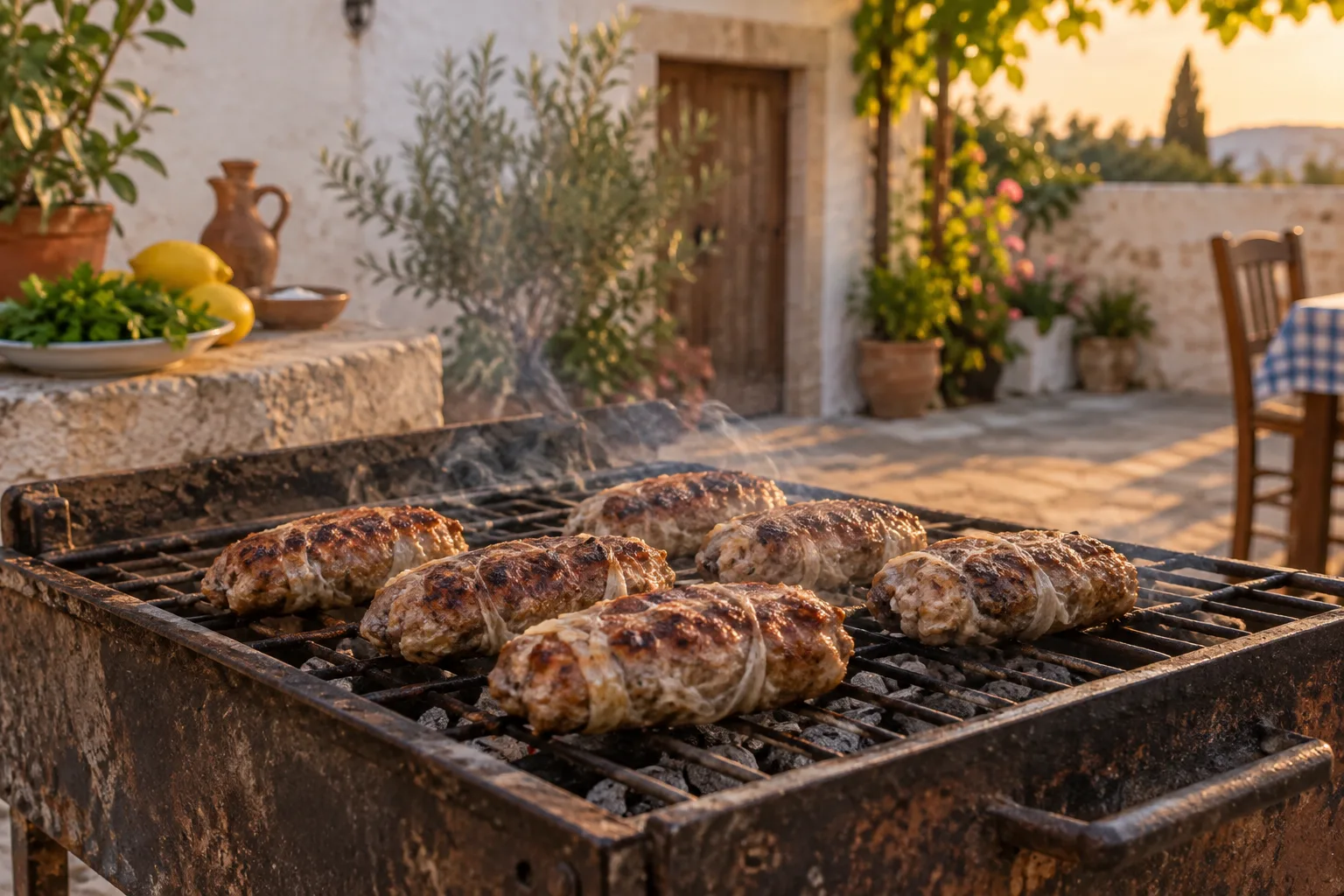
The name suggests fruit. The smell tells a different story. Şeftali kebabı is a parcel of seasoned minced meat, wrapped in caul fat and cooked over charcoal. In Turkish Cypriot kitchens and grills, it is one of those dishes that needs no elaborate introduction once the smoke begins to rise.
Why the peach name?
There is no single verified answer. The Cyprus Food Museum notes that the name may be connected to the Turkish word şeftali, or peach, because of the dish’s shape. That is an etymological reading, not a documented invention tale. The honest version is more interesting: the name has travelled through languages and memories without leaving one final explanation behind.
The museum also records Greek forms of the name, reminding us that food words often cross the island more easily than borders do. Şeftali kebabı is a familiar Turkish Cypriot grill dish today, while also belonging to the larger, shared culinary history of Cyprus.
What makes it different from a meatball?
The thin caul-fat wrapping is the key. As it cooks, it protects the filling from drying out and leaves a soft centre beneath a lightly browned surface. Ingredient choices can vary from home to home, but the technique remains recognisable: a small parcel, careful heat and patience at the grill.
That patience matters. A fire that is too fierce colours the outside before the centre is ready; a weak fire never gives the fat time to do its work. This is why şeftali kebabı belongs as much to the person tending the charcoal as it does to the plate.
A name is part of the meal
Not every food name behaves like a label. Some come from shape, some from language, some from stories repeated at family tables. Şeftali kebabı is worth remembering precisely because its name stays a little unresolved. It asks a small question before the first bite—and good food histories often begin that way.
Source note
Related articles
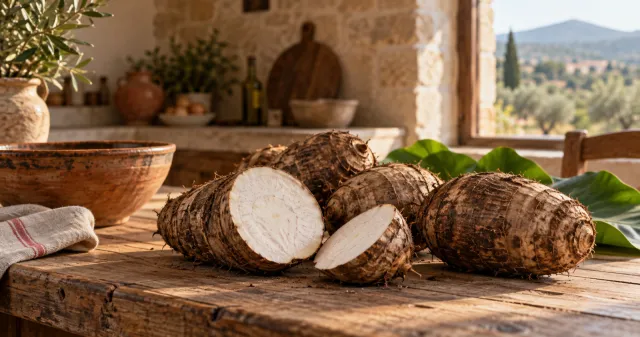
Kolokas in Cyprus: An Old Island Story from Beneath the Soil
The story of Cyprus kolokas, from Sotira’s fields to the island’s home kitchens.
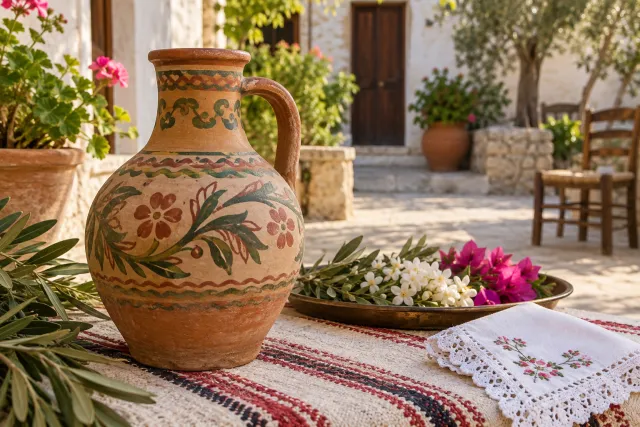
Testi Oynatma in Turkish Cypriot Weddings: A Quiet Ritual Story
A traditional wedding ritual where play, abundance and community meet.
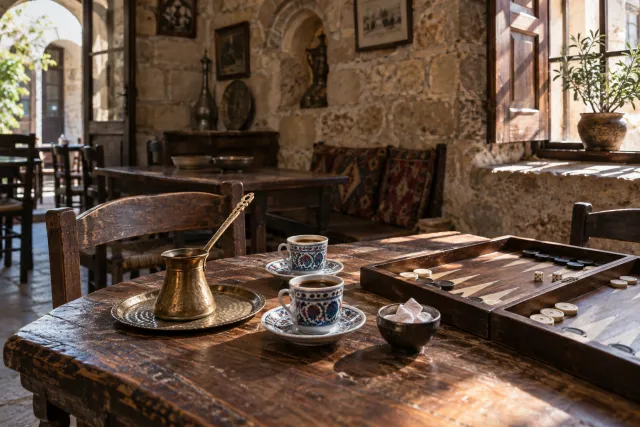
Old Nicosia Coffeehouses: Where a City Gathered Around a Cup
A small coffeehouse could hold a city’s news, arguments and long silences.